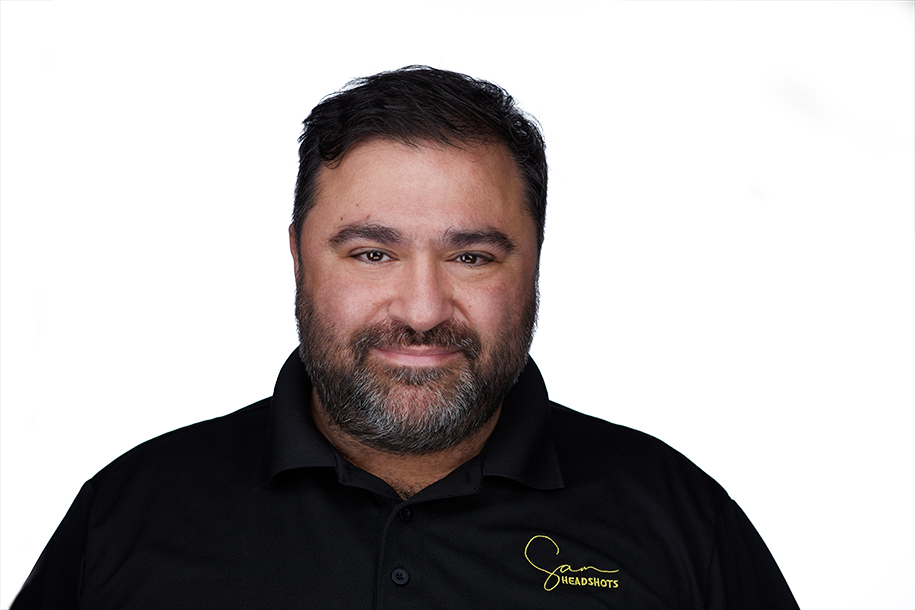
Direct-to-camera political ads, political ad video production, straight-to-camera campaign ads, and political videographer services are no longer side tactics. They sit near the center of modern persuasion. Television advertising still matters, especially in down-ballot races, and campaigns are also leaning into direct-to-camera explainers and scripted vertical videos online. As a result, candidates now need messages that feel clear, human, and credible on both broadcast screens and phones. (Cambridge University Press & Assessment)
What a direct-to-camera political ad actually is
A direct-to-camera political ad is exactly what it sounds like. The candidate looks into the lens and speaks to the voter. Sometimes the message is calm. Sometimes it is urgent. Either way, the appeal feels personal because the speaker is not hiding behind a narrator, a montage, or a panel discussion. Instead, the candidate becomes the message.
That simplicity is a big part of the format’s power. Recent political communication research describes authenticity as a decisive factor in how voters evaluate candidates. Moreover, that perception is shaped by how politicians present themselves visually and verbally. In other words, the ad does not only communicate policy. It communicates steadiness, confidence, ordinariness, and immediacy. (Sage Journals)
Why campaigns keep coming back to this format
First, direct-to-camera political ads reduce distance. A voter does not need to decode a complicated scene. The candidate appears, speaks plainly, and frames the issue in human terms. Because televised campaign advertising still has measurable persuasive effects, especially beyond the presidential level, a format that feels intimate and easy to follow remains valuable. (Cambridge University Press & Assessment)
Second, the format travels well. A well-shot direct address can be cut into a 30-second television ad, a 15-second pre-roll, a vertical social clip, a fundraising message, or a website hero video. Meanwhile, recent reporting on campaign strategy shows that lawmakers and candidates are increasingly using direct-to-camera explainers, scripted vertical videos, livestreams, and podcast-style appearances to meet voters where they already spend time. So the format is no longer tied to one platform. It is a flexible campaign asset. (Los Angeles Times)
What makes a direct-to-camera political ad effective
The script has to sound spoken, not written
Many weak political ads fail before the camera even rolls. The language is too stiff. The lines are too long. The phrasing sounds like a press release. A direct-to-camera ad works best when it feels spoken out loud by a real person. Therefore, the script should be built for rhythm, breath, and emphasis.
StudioBinder’s guidance on AV scripting is helpful here. It emphasizes matching words to visuals, timing lines, and reading the script aloud so the piece flows within a precise runtime. Likewise, even simple cue cards exist for one reason: on-camera talent needs help delivering lines naturally under pressure. That is not a weakness. That is production reality. (StudioBinder)
The opening line carries the whole ad
The first line matters more than most campaigns realize. Within seconds, voters decide whether the person on screen feels clear, credible, and worth hearing. Because of that, strong political ad video production often begins with a short, plainspoken opening. It names the problem. It signals the candidate’s position. Then it moves forward.
The ending has one job
Likewise, the close should do one thing well. It should leave the viewer with one memorable takeaway. That may be a value statement, a contrast, a call to vote, or a fundraising ask. However, it should never sound crowded. Straight-to-camera campaign ads usually get stronger when the final beat is simpler.
Eye line changes trust more than people think
A direct-to-camera ad only works if the viewer feels addressed. That is why eyeline matters. Traditional cue cards placed too far from the lens can make the speaker look distracted. By contrast, a teleprompter or direct-to-lens mirror system helps the presenter maintain natural eye contact without memorizing the script or glancing away. B&H Explora describes teleprompters as tools that let presenters keep natural eye contact, and ProVideo Coalition notes that direct-to-lens mirror systems help subjects see the interviewer while still appearing to look straight into camera. (B&H Photo Video)
That detail sounds technical. Yet it is emotional. A drifting eyeline can make a candidate seem uncertain. Meanwhile, a steady eyeline makes the message feel intentional. So when a campaign says it wants authenticity, this is part of what authenticity looks like on screen.
Lighting and framing shape credibility
Good political videographer work is often invisible. Voters may not name the lighting pattern. Still, they feel the result. Videomaker’s interview guidance points to the classic three-point setup: key, fill, and back light. CineD adds another critical point. It recommends giving the subject space from the background so the image gains separation and depth. Together, those choices help a candidate look dimensional rather than flat. (Videomaker)
The frame matters too. A wide frame can feel distant. A frame that is too tight can feel aggressive. Usually, direct-to-camera political ads benefit from a composed medium shot with clean headroom, a calm background, and enough depth to keep the image from looking cramped. Because the message is personal, the frame should support connection, not distraction.
That is also why background choices matter. A cluttered office, random books, messy windows, or overdesigned patriotic props can make the ad feel staged. Instead, a professional crew chooses a setting that supports the message. Sometimes that means a simple neutral backdrop. Sometimes it means a real location with political meaning. Either way, the choice should look deliberate.
Audio is the hidden persuader
Viewers forgive modest visuals faster than bad sound. PremiumBeat’s interview advice stresses the importance of recording room tone before the interview begins, because it becomes essential in editing. B&H Explora also notes that lavalier microphone placement matters, recommending placement about six inches from the speaker’s mouth. Those are small details. However, they shape whether a candidate sounds polished or amateur. (PremiumBeat)
That matters even more in politics. A slightly noisy background, clothing rustle, boxy room echo, or weak vocal level can make a message feel cheap. Worse, it can make the speaker seem unprepared. In direct-to-camera political ads, the audience is judging the person as much as the words. So clean sound is not a bonus. It is part of the persuasion.
Why post-production matters just as much
A strong direct-to-camera ad is rarely just one perfect take. Usually, it becomes effective in the edit. Frame.io’s editing advice on interviews points out that removing verbal clutter such as filler words and covering those cuts with b-roll can make ordinary people appear far more confident on camera. That is exactly why professional post-production matters in political ad video production. (Frame.io Insider)
Editing shapes pace. It shapes authority. It shapes emotion. A professional editor can tighten a line without making it sound unnatural. They can hold a pause where conviction matters. They can cut to supporting footage at the right moment. They can add lower thirds, campaign branding, music, and disclaimer timing without making the piece feel overloaded. As a result, the final ad feels persuasive rather than merely recorded.
The compliance piece campaigns cannot afford to treat lightly
Political ads are not just creative assets. They are regulated communications. The Federal Election Commission states that public communications by political committees must include disclaimers, and those rules also apply to certain internet video communications. In addition, authorized television communications by a candidate’s principal campaign committee must include the familiar approval statement, delivered either on screen by the candidate or in voice-over with a clearly identifiable image. (FEC.gov)
This is where experienced production becomes especially important. The team is not only worrying about framing and sound. They are also protecting legibility, timing, screen space, and delivery. A campaign can love a take. Yet if the compliance language is awkwardly placed, visually weak, or improperly executed, the ad may create problems later. Professional videographers help prevent that.
Why the AI era makes authentic production even more valuable
The case for professional straight-to-camera campaign ads is even stronger now because trust is under pressure. Reuters reported on March 28, 2026 that AI-generated deepfake ads are already appearing in U.S. midterm campaigns, raising concerns about misinformation and voter confusion in a landscape with limited federal guardrails. In that environment, well-produced real footage has added value. It signals seriousness. It gives campaigns durable source material. And it helps them build a library of verifiable, high-quality visuals. (Reuters)
In other words, a polished direct-to-camera message is no longer only about style. It is also about credibility. When voters are surrounded by synthetic voices, manipulated clips, and recycled social content, clear and professionally produced human communication stands out.
Why hiring a professional videographer is the smart move
A candidate may be authentic. That does not mean they will automatically look authentic on camera. Those are different things. Professional videographer services translate personality into screen presence. They coach pace. They manage eyeline. They shape light. They capture clean sound. They organize takes. They protect continuity. And they guide the candidate through a process that keeps the message focused.
Just as importantly, professionals save campaigns from false economy. A rushed DIY shoot often leads to reshoots, weak edits, inconsistent branding, and footage that cannot be reused. By contrast, a well-run political ad video production day can generate a flagship ad, cutdowns, fundraising clips, issue-specific variants, vertical content, and future-proof campaign footage from one setup.
Pre-production protects the message
Before cameras roll, professionals help narrow the point of the ad. They decide what belongs in the script and what belongs in supporting footage. They choose wardrobe, background, lens, lighting style, and delivery approach based on the campaign goal. So the final piece feels cohesive.
Production protects the performance
On set, the right crew helps a candidate relax. That is crucial. Direct-to-camera political ads often succeed because the candidate appears calm and direct. However, that ease is usually supported by careful prompting, good pacing, and a team that knows when to push for another take and when the message has landed.
Post protects the result
After the shoot, professionals turn raw material into a campaign-ready asset. They refine the rhythm. They add graphics. They balance the audio. They prep versions for multiple platforms. And they make sure the piece looks intentional from LA County to Orange County, across the West Coast, and anywhere else in the US where the campaign needs reach.
Final thoughts
The best direct-to-camera political ads do not feel flashy. They feel true, focused, and controlled. They make voters feel addressed. They make complex issues feel personal. And, when done well, they create the rare impression that a candidate is speaking with conviction rather than simply reading lines.
If your campaign needs direct-to-camera political ads, straight-to-camera campaign ads, Corporate Video LA can help recoord the message professionally. We serve LA County, Orange County, the West Coast, and clients across the US. So if you want political videographer support that makes your candidate look credible and sound clear, now is the time to plan the shoot.